Health and Safety Policy for Carpetcleaning W1T
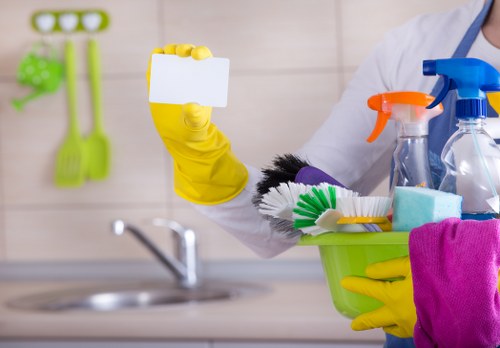 This Carpetcleaning W1T health and safety policy sets out the standards, responsibilities, and working practices required to protect staff, clients, visitors, and anyone affected by our cleaning operations. Our aim is to provide a safe, organised, and professional service by identifying hazards early, reducing risks, and maintaining a consistent approach to safe work at all times. This policy applies to all carpet cleaning activities, including domestic, commercial, and specialist stain-treatment services.
We recognise that carpet cleaning involves water, electrical equipment, detergents, access challenges, and movement of furniture. For this reason, health and safety is built into every stage of the work. All operatives are expected to act responsibly, follow safe systems of work, and use appropriate protective equipment. Managers and supervisors are responsible for ensuring that equipment is maintained, procedures are followed, and any concerns are addressed promptly.
Our carpet cleaning operations are carried out in line with a strong commitment to prevention. We aim to remove or reduce hazards before work begins, rather than react after an incident. This includes assessing the condition of the area, checking for trip hazards, identifying vulnerable surfaces, and confirming that cleaning products are suitable for the materials being treated. Safe practice is not optional; it is part of our everyday service culture.
Responsibilities and Safe Working Standards
Every employee involved in carpet cleaning must understand their role in maintaining a safe workplace. Staff must wear suitable footwear, use gloves when required, and follow product instructions carefully. Equipment must be inspected before use, and any defects must be reported immediately. If a task cannot be completed safely, work must stop until the issue is resolved. We expect everyone to communicate clearly, work with care, and avoid rushing, as haste is a common cause of incidents.
Supervisors are responsible for ensuring that risk controls are in place before work begins. This includes checking that the area is adequately ventilated, confirming that power sources are safe, and ensuring cleaning machines are used according to manufacturer guidance. Where carpets are heavily soiled or contaminated, additional controls may be required. Only trained personnel should handle specialist machinery or chemical treatments, and all tasks must be assigned according to competence.
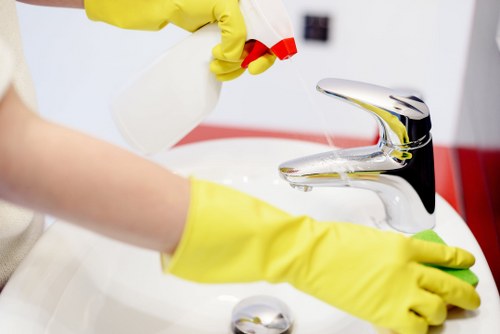 The safe use of cleaning agents is essential. Detergents, stain removers, and spot treatments must be stored securely and labelled clearly. Staff must never mix chemicals unless this is specifically approved by the product manufacturer. When working with concentrated products, we use the minimum effective quantity and apply them only where needed. This reduces exposure, supports a safer environment, and helps protect carpets, furnishings, and indoor air quality.
Risk Control in Carpet Cleaning Operations
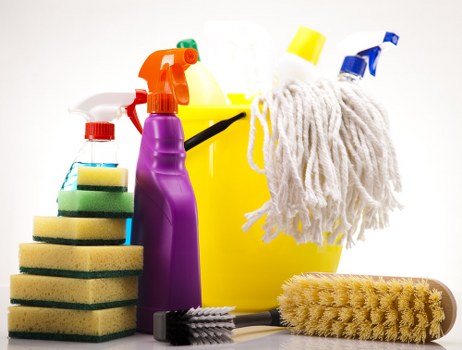 One of the main risks in carpetcleaning W1T work is slipping or tripping on wet floors, hoses, cords, or displaced furniture. To minimise this, we keep work areas tidy, place warning signs where appropriate, and manage cable routes carefully. Wet cleaning zones should be controlled until the carpet is dry enough for safe access. Where necessary, we use extraction methods that reduce moisture and speed up drying times. This helps protect both people and property.
Manual handling is another important consideration. Lifting machines, carrying equipment, and moving furniture can create strain or injury if not done properly. Staff must assess the weight, shape, and stability of any item before moving it. Team lifting should be used where appropriate, and mechanical aids should be used whenever available. We encourage workers to maintain good posture, avoid awkward twisting, and take breaks when tasks are physically demanding.
Electrical safety is treated with particular care. Carpet cleaning equipment may involve pumps, vacuums, extension leads, and portable appliances. All equipment must be visually checked before use and tested in accordance with relevant maintenance schedules. Cables must not be damaged, overloaded, or exposed to standing water. If a fault is suspected, the equipment must be taken out of service immediately. Water and electricity must never be allowed to create a dangerous combination.
Training, Communication, and Emergency Response
Training is central to the success of this policy. Staff receive instruction on safe machine use, handling cleaning chemicals, infection control awareness, and incident reporting. New team members are supervised until they demonstrate a clear understanding of the required standards. Refresher training is provided to reinforce best practice and to keep pace with changes in equipment, procedures, and products. A well-trained team is safer, more efficient, and better prepared to respond to unexpected issues.
We expect clear communication before, during, and after each job. Customers should be informed about drying times, access restrictions, and any temporary safety measures that may be needed. Internally, team members must report hazards, near misses, damaged tools, and unsafe conditions without delay. Open communication supports a safer operation and helps prevent repeated problems. Where a risk is identified, corrective action must be recorded and reviewed.
Emergency procedures are in place to deal with accidents, spills, equipment failures, and injuries. Staff must know how to stop work safely, isolate equipment, and seek assistance if an incident occurs. Spillages should be contained quickly using suitable materials, and any contamination must be cleaned up with care. First aid arrangements should be available at all times, and serious incidents must be escalated in accordance with internal reporting requirements. Preparedness is an important part of safe carpet cleaning.
Review, Monitoring, and Continuous Improvement
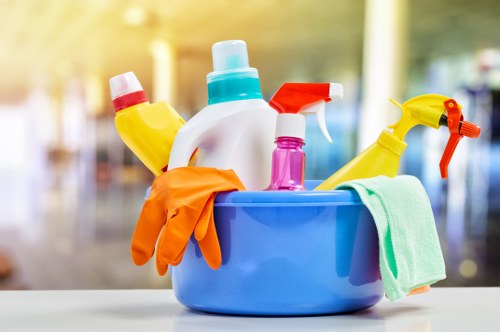 This policy is supported by regular monitoring, inspections, and reviews. Equipment maintenance records, incident reports, and staff observations are used to identify patterns and improve safety performance. We review our working methods when new risks arise or when operational changes affect how work is carried out. Continuous improvement helps us maintain a reliable standard of care and ensures that Carpetcleaning W1T services remain safe and professional.
We also recognise the importance of protecting indoor environments. Good ventilation, controlled product use, and effective moisture management help reduce discomfort and support healthier conditions for occupants. Our approach is designed to be practical, responsible, and suitable for a wide range of properties. By combining careful preparation with disciplined execution, we create a safer working environment for everyone involved.
Compliance with this policy is mandatory for all staff and subcontractors. Failure to follow safe procedures may result in retraining, removal from duties, or further action where necessary. Safety is a shared responsibility, and every person involved in our operations plays a part in maintaining the standards we expect. This policy should be read alongside operational procedures and reviewed periodically to ensure it remains effective.
Conclusion
 Our commitment to health and safety shapes every aspect of the service we provide. By using suitable equipment, applying appropriate controls, and maintaining professional discipline, we aim to prevent harm and deliver consistent results. This health and safety policy for carpetcleaning W1T reflects our belief that high-quality cleaning and safe working practices go hand in hand. Safety is not a separate task; it is the foundation of dependable service.